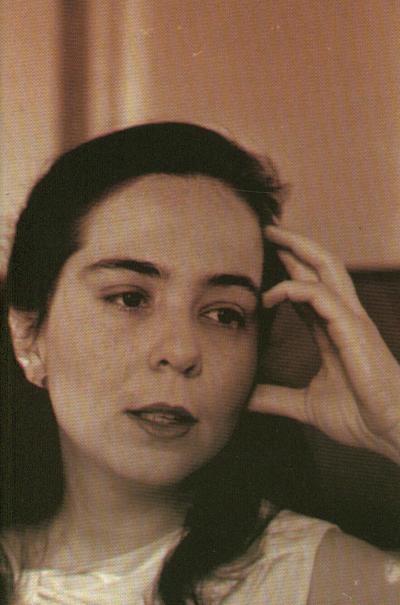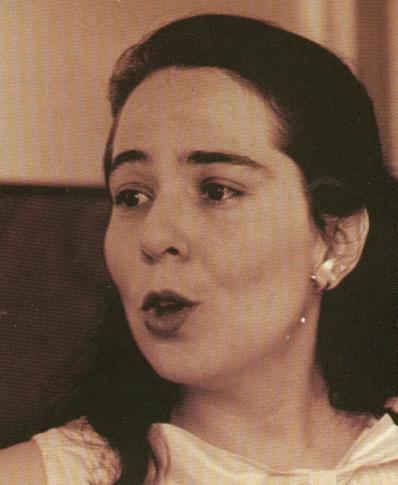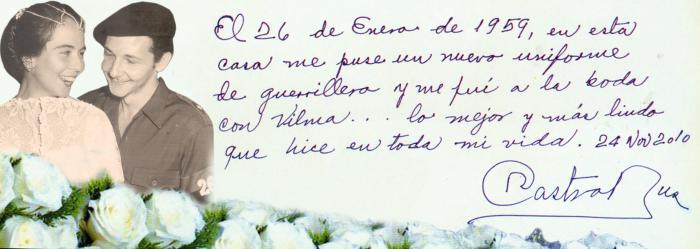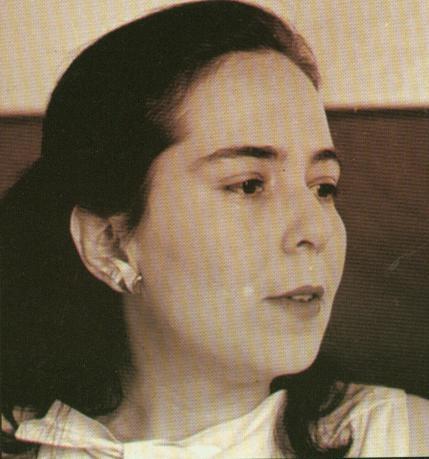
Under the sun of the East that saw her born, on April 7, 1930, the name of Vilma Espín Guillois today resonates as a hymn of rebellion and conquest.
From childhood, she merged intellect and daring: she devoured math problems with the same skill with which she conquered the treetops of Santiago, alternating afternoons between the sap of family trunks and the French verbs she taught to neighbors in her family home.
Already at the Santiago university in the 50s, her defiant gaze became a symbol of resistance. Under pseudonyms like Alicia, Mónica, and Débora, she wove clandestine networks while firmly leading the student volleyball team "Las Mambisas."
Her gestures defied oppression: she hid pamphlets under her skirts during military raids and wrote hexasyllabic protest verses against Batista in poems by José María Heredia.
Her voice resonated in the university choir, but nothing electrified her as much as getting lost in the eastern conga. As her companion Luis A. Clergé would recall, she attracted attention "for her charisma, her height, and a smile that conveyed pure and feminine sweetness"; qualities that were enhanced by her unusual independence behind the wheel in an era when that was a symbol of feminine modernity.
As "Mariela", she ascended to the Sierra Maestra, having intensely lived the urban resistance: she participated in the uprising of November 30, 1956, supplied the guerrillas, linked the Sierra with the National Directorate of the 26th of July Movement, and was the driver and confidante of Frank País, until his assassination in July 1957 marked an eternal mourning.
Accustomed to the urban risk of being "hunted," she discovered a radical freedom in the mountains: confronting the enemy face to face.
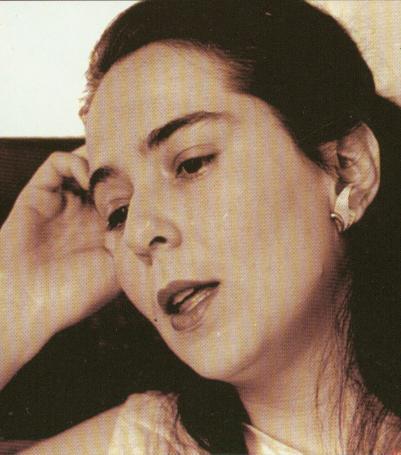
After the Moncada, her house, close to the barracks, became an operational center, and after Frank's death, she took over the coordination of the Movement in the East.
With the triumph of 1959, she immersed herself in another hard battle: to tear down the walls of patriarchy. In a Cuba where 90% of women were housewives, she founded the Federation of Cuban Women (FMC), created children's circles for working mothers, and professionally trained thousands of rural women in Havana.
As Eusebio Leal Spengler would recall, she arrived "intact in her human and spiritual beauty." Her battles included denouncing administrators who demanded "young and beautiful women," and the elimination of the humiliating "certificate of morality," applied only to women, under the conviction that, "what is immoral for them must be immoral for them.
"Today, her remains rest in the Mausoleum of the 2nd Eastern Front, but her true monument is the Cuban women who, to cite just one illustrative example, make up 55.74% of the Cuban Parliament.
However, what is most deeply ingrained in the popular soul are her daily gestures: that way of weaving sincere conversations, caring for the families of comrades, or keeping candies for other people's grandchildren in her bag.
She defended Cuban identity not only in speeches but also in elegance of dress and respect in dealings.
Eighteen years after her death – which occurred on June 18, 2007 – Cuba evokes the eternal guerrilla who fused revolutionary daring and feminine tenacity in her personality and character.