

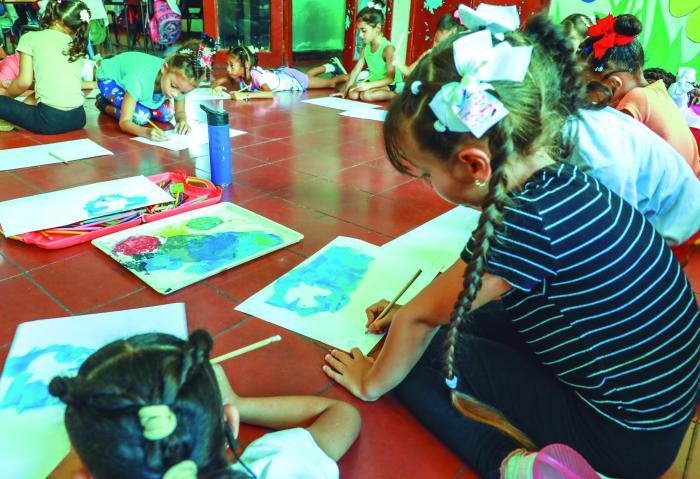
That neighborhood park, across from the little elementary school, looks like a canvas in the mornings, adorned with red and blue scarves, white shirts, and red skirts and shorts. In the afternoons, other children—or the same ones from before—take center stage in the picture of an ordinary day, playing old games and new ones. A neighborhood park is the place where dreams are born, take root, and coexist. How sad it would look if the painting were to change with a single stroke!
Among those same children, now grown men, some will show the mark of the vaccine they received at birth; others will tell stories of camping trips and special morning assemblies; some will dedicate their triumphs to the teachers who—though they had nothing to offer—gave them the keys to knowledge.
There are other corners of the world —which we Cubans know only from the news— where children have traded toys and books for weapons; schools are fairy tales; hospitals seem like chimeras; and in the parks, they are seen wandering among stones and bones on the hot asphalt left by the impact of missiles. In Palestine, for example, the youngest children must believe that the alphabet and multiplication tables are not for them.
We know of places—such as Iran and Russia—where backpacks, teachers, and very young students have been reduced to ashes and rubble, because it cannot be said that in wars all bombs fall without names. Severing the future once and for all is also a strategy.
News stories abound—in the U.S. media—about children who go to school and do not return, triggers pulled by heartless beings, bullets where the star of the exemplary student should shine.
Children separated from their parents by ICE also "make the news": the bitter fruit of deportations and immigration seems to spill its acidic juice onto the children.
That is why, even though the park in my neighborhood —my homeland’s workplace— is not perfect, a pregnant woman sits there calmly waiting her turn at the clinic, and parents wait for their little ones, confident that they will return to their arms alive. The peace in my neighborhood park shouts, amid the bustle of childhood, that even though fatigue may be discouraging, there is no greater duty than to protect the children—the future—which is one and the same.


