

The report regarding an attempted terrorist infiltration—thwarted by the Border Guard Troops on February 25th in the waters off Villa Clara—has a follow-up. While the first installment, published in late February, covered the primary events and the official account provided by Cuban authorities, this update presents new findings from the investigation. It includes statements from the terrorists who survived the confrontation, as well as from other individuals involved who were subsequently detained.
Transcripts of the evidence confirm that this recent incident once again underscores that terrorist acts against the island are being organized and financed from the United States. The speedboat, arriving from Florida, was detected 3.7 miles west of Bahía de Cádiz, in the municipality of Corralillo. The individuals involved departed for Cuba on the night of February 24, split into two groups of five per vessel. One of the boats broke down after four or five hours at sea, leading them to transfer their weapons and equipment to the *Tornado*, which managed to reach Cuba. The journey was delayed precisely because of this transfer.

According to the account, they reached the area of narrow channels near where they were ultimately intercepted, and the vessel briefly ran aground. Upon noticing a Border Guard vessel approaching to identify them, they attempted to flee. A pursuit ensued; as the Border Guard vessel drew closer, several of the infiltrators aboard the *Tornado* opened fire, striking the commander twice. The armed confrontation left five assailants dead and several others in custody. The second part of the complaint highlights that confessions obtained from those involved have revealed the scale of a conspiracy organized and funded by a ringleader based in Florida.
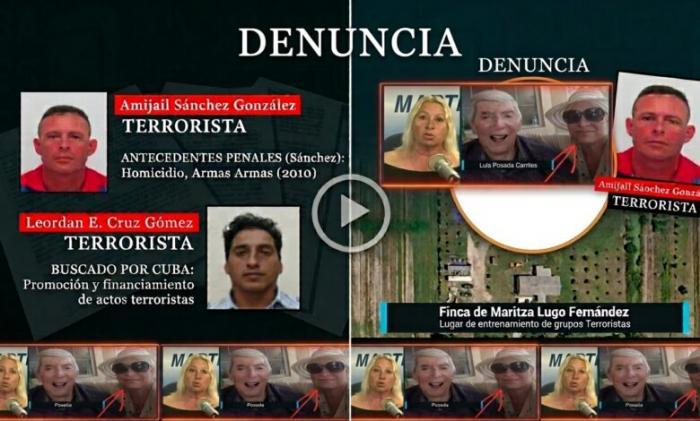
"The statements from the accused identified Maritza Lugo Fernández—a Cuban national residing in the United States and the leader of the self-styled ‘30th of November Democratic Party Revolutionary Movement (Fran País)’—as the primary organizer of this incident."
The investigation revealed that they were carrying 11 long guns and 15 handguns, as well as Molotov cocktails, improvised explosive devices (pipe bombs), communication equipment—including walkie-talkies and satellite phones—and a Starlink station. According to the evidence, some of those involved prepared for their actions at a property they owned in the United States.
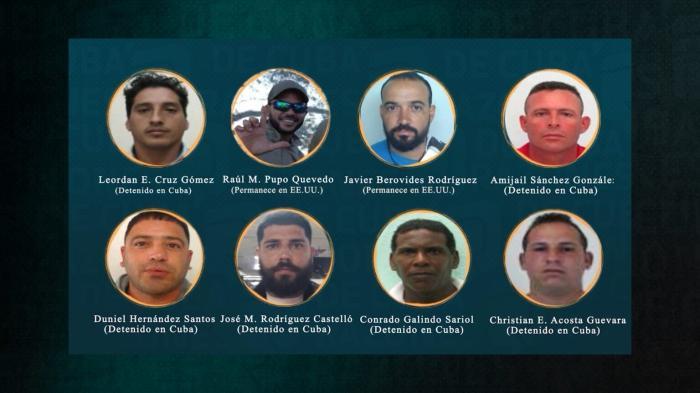
The text identifies several individuals—some currently detained in Cuba and others still in the United States—including Leordan Enrique Cruz Gómez, Raúl Manuel Pupo Quevedo, Javier Verovides Rodríguez, Amijail Sánchez González, Duniel Hernández Santos, José Manuel Rodríguez Castelló, Conrado Galindo Sariol, and Cristian Ernesto Acosta Guevara.
Furthermore, it notes that investigations by the Ministry of the Interior indicate that, for several years, Maritza Lugo has been gathering forces to carry out acts of sabotage in Cuba. In the transcript, she herself states:
"For more than 40 years, this regime has accused me of being a terrorist—of everything they can possibly come up with. I have been engaging in activities against the Cuban dictatorship ever since I was in Cuba. And when I arrived here in the United States, I continued doing so."
During an attempted infiltration in February, Amijail Sánchez González and Leordan Enrique Cruz Gómez were captured. Both are included on the National List of Persons and Entities Designated as Terrorists—a list supported by UN Security Council Resolution 1373, which mandates that member states prevent and counter such acts.
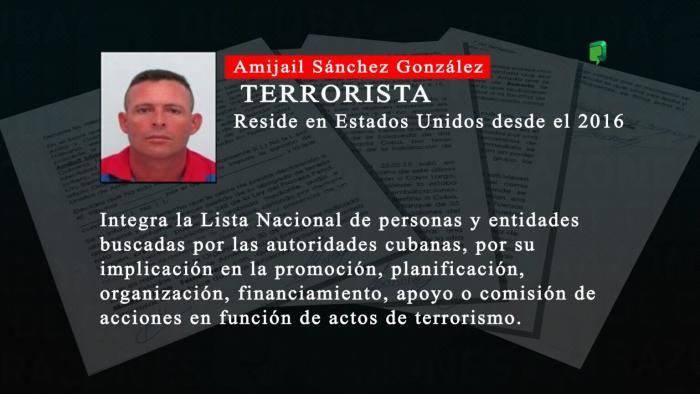
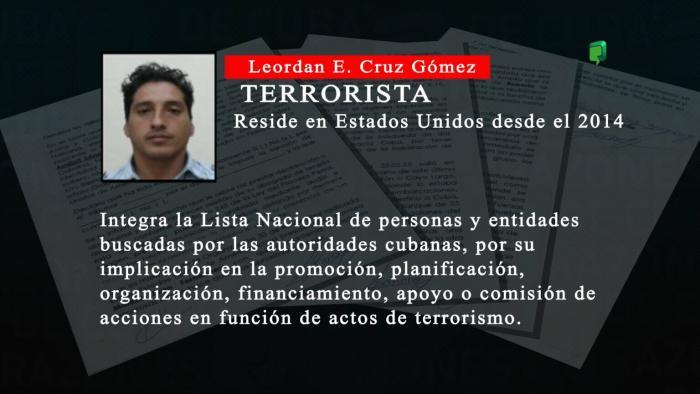
According to the transcript, Sánchez González promoted and financed Molotov cocktail attacks against the Centro Habana Municipal People’s Court and the provincial headquarters of the Committees for the Defense of the Revolution (CDRs) in Havana. He was also involved in the severing of a fiber-optic cable in Sierra de Cubitas, Camaguey, as well as the setting of several fires in sugarcane fields and at military committee offices in Cienfuegos province. Cruz Gómez, for his part, recruited Cubans residing in the United States and provided them with training for the purpose of carrying out an armed intervention.
Another individual involved in preparations for infiltrations into Cuba, Ardenys García Álvarez—who has resided in the United States since 2014—was captured in October 2024 upon arriving on a personal watercraft carrying weapons. His plans included establishing a network of individuals within Cuba and carrying out attacks against military units. Additionally, Alfredo de León Fernández was detained in November 2022 during a human-smuggling operation.
The evidence indicates that these individuals are affiliated with anti-Cuban organizations based in the United States—such as *Nueva Nación Cubana*, *Cuba Primero*, the *Partido Republicano de Cuba*, *Escudo Cubano*, or *Autodefensa del Pueblo*—and were recruited via social media.
The confessions of Amijail Sánchez, Leordan Cruz, and Ardenys García have been instrumental in revealing the scale of this conspiracy. Nevertheless, the primary focus of the investigation remains on Maritza Lugo Fernández, who continues to actively organize and finance terrorist actions from the United States against the sovereignty of Cuba.
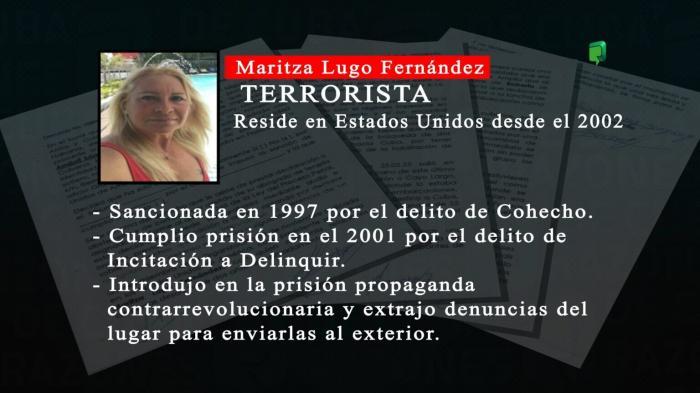
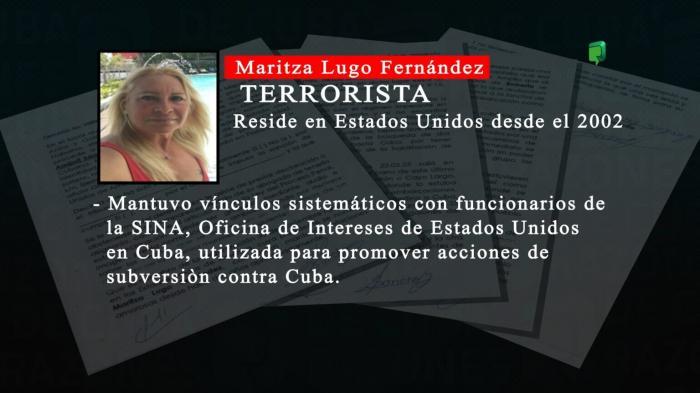
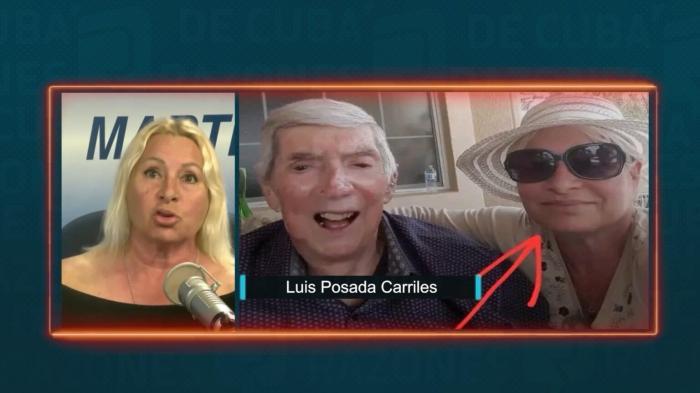
"Personally, I live with peace of mind; I’m not concerned about what they say, because I am very clear—fully aware—that it is all a lie. They are simply trying to twist everything to suit their own agenda, as they have always done. After all, they are the world’s primary terrorists—killing and doing whatever they please, however they please," states Lugo Fernández in the transcript.
The material highlights the striking fact that individuals and organizations—publicly and notoriously designated as terrorists by the Cuban authorities—are able to prepare an infiltration operation on U.S. soil with such impunity and with such extensive resources, all without the authorities taking any action to stop them.
The accused confessed that their mission, upon infiltrating, was to seize military units and distribute weapons to the population, with the goal of inciting an uprising against the Cuban government that would trigger a military intervention by the United States. Furthermore, Duniel Hernández Santos—who was also detained—stated in his testimony that his “self-deportation” (voluntary return) was intended to organize the violent activities of those planning to infiltrate the country by sea. The video notes that the U.S. government has employed this practice of "self-deportation" as a *modus operandi* to carry out acts of sabotage in countries like Venezuela—and now in Cuba—leveraging the mechanism of voluntary return to infiltrate individuals for the purpose of destabilization.
Article 16 of the Cuban Constitution establishes the country’s total rejection of terrorist acts of any kind. Cuba has signed all 19 international instruments—conventions and other legal acts—regarding terrorism, most notably those concerning acts committed using explosive devices, as well as the convention against the financing of terrorism.
The Ministry of the Interior remains on high alert and warns that no attempt at destabilization through violence will be tolerated. It further notes that those who, from within the United States, facilitated the staging ground for these acts—organizing and securing land and maritime transport, and enabling the purchase, acquisition, and stockpiling of weapons and other equipment—are guilty of the crime of financing terrorism.
U.S. authorities have been made aware of all details of the investigation, as they have been provided with the evidence gathered during the process. The investigation remains ongoing.
Questions and Answers regarding the case
What happened on February 25th in the waters off Villa Clara?
An armed group arriving from Florida attempted to infiltrate Cuba by sea. Border Guard troops detected and neutralized the operation in Cuban territorial waters, north of the cays of Villa Clara. The confrontation resulted in five of the aggressors being killed and several others being taken into custody.
Where was the vessel detected and intercepted?
The boat was detected 3.7 miles west of Bahía de Cádiz, in the municipality of Corralillo. The interception took place well within Cuban territorial waters, one nautical mile north of the cays of Villa Clara.
How were those involved traveling?
They departed at night on February 24th in two vessels, with five people in each. One of the boats broke down after four or five hours at sea; They then transferred the weapons and supplies to the “Tornado,” which was able to continue. The voyage was delayed by this transfer, and they experienced a temporary grounding.
How did the confrontation occur?
Upon detecting the approach of the Border Guard Troops boat, the infiltrators tried to flee. A chase ensued and several of the occupants of the *Tornado* fired at the border guard vessel, wounding the commander with two shots.
Who is identified as the main organizer?
The statements of the accused point to Maritza Lugo Fernández, a Cuban resident in the United States and leader of the self-proclaimed Revolutionary Movement Democratic Party November 30th, Fran País, as the main organizer of the event.
What weapons and means did they bring?
They brought 11 long weapons, 15 pistols, Molotov cocktails, nipples with explosive substances, communication media, walkie-talkies, satellite phones and a Starlink station.
Where did the group prepare?
Part of those involved were prepared on a farm in the United States. They were also recruited through social networks and linked to anti-Cuban organizations based in the United States, such as *Nueva Nación Cubana*, *Cuba Primero*, the *Partido Republicano de Cuba*, *Escudo Cubano*, or *Autodefensa del Pueblo*.
Who is involved?
Among those detained in Cuba and those who remain in U.S. territory are Leordan Enrique Cruz Gómez, Raúl Manuel Pupo Quevedo, Javier Verovides Rodríguez, Amijail Sánchez González, Duniel Hernández Santos, José Manuel Rodríguez Castelló, Conrado Galindo Sariol and Cristian Ernesto Acosta Guevara. Ardenys García Álvarez and Alfredo de León Fernández are also mentioned.
Is this a simple attempt at illegal immigration?
No. The Attorney General's Office dismantles the argument of "humanitarian aid" or a "civil boat with innocent Cubans." The acts are classified as terrorism and associated crimes, not as ordinary illegal entry.
What crimes are they accused of?
Among the articles of the Cuban Penal Code invoked are: article 151 (acts committed with weapons or explosive devices), 157 (acts against the safety of maritime navigation), 162 (other acts that threaten air or maritime safety), 167 (financing of terrorism), 273 (criminal association) and 276 (illegal carrying and possession of firearms).
What sanctions do these behaviors provide?
The sanctions range from 10 to 15 years of deprivation of liberty to life imprisonment, and can reach the death penalty in its maximum degree, depending on the seriousness of the acts committed.
How did the Border Guard Troops act?
First Colonel Ybey Carballo Pérez, Chief of the General Staff of the TGF, explained that the action model is "moderate, defensive, rational and proportional", in strict accordance with national and international standards on the use of force in the maritime field. In this case, a detachment of five combatants faced a force of ten infiltrators.
What was the group's confessed plan?
The defendants confessed that their mission was to take military units, deliver weapons to the people and organize an uprising against the Cuban government that would provoke a military intervention by the U.S. government.
What role do U.S. authorities play?
The North American authorities are aware of all the details of the investigation, since the elements collected during the process have been delivered to them. Cuba denounces that people and organizations designated as terrorists prepare violent actions from U.S .territory without taking action to prevent it, and demands that there be no impunity.
What position does Cuba maintain?
The Cuban Constitution, in its article 16, establishes the country's total rejection of terrorist acts of any nature. Cuba has signed international conventions on terrorism and its financing. The Ministry of the Interior remains on high alert and warns that any attempt to destabilize through violence will not be tolerated. The investigation remains open.


