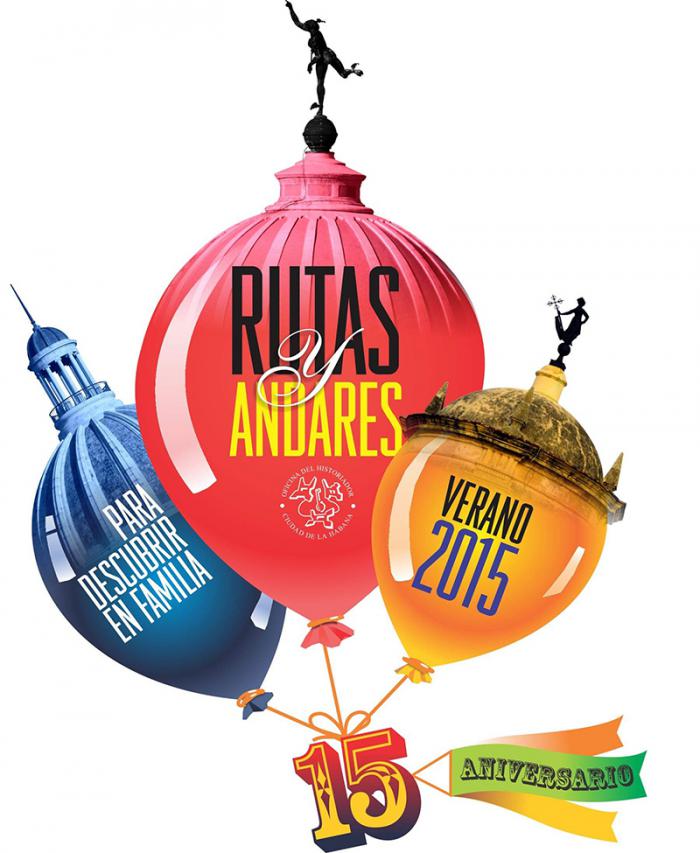
Now is the right moment to appreciate colonial Havana in detail. Learn about its riches. Enjoy its beauties. Many of which exist in plain sight, yet the frantic pace of daily life almost always prevents us appreciating them. Today, the Rutas y Andares (Walks and Wonderings) program enables us to travel through time as we tour the city’s streets, squares, statues and get to know the men and women who clean, care for and love it, discovering the various marvels amassed in its Historic Center.
Every year Old Havana openly displays the growth of conservation projects being carried out by the City Historian’s Office, directed by Dr. Eusebio Leal. This is done through the Walks and Wonderings program, a positive initiative celebrating its 15th edition.
Havana is approaching its 500th anniversary, as although the villa (settlement) was first founded in an area on the southern coast in 1514, it wasn’t until 1519-1524 that it was definitively moved and established in Carenas Port.
Therefore Havana – which received the title of City in 1592 awarded by King Felipe II and proclaimed capital of Cuba by Royal Decree in 1607 – will celebrate its fifth centenary in 2019.
In a press conference held in Old Havana’s Casa de los Árabes, the Director of Cultural Management of the City Historian's Office, Katia Cárdenas, stated that “on average, some 12,000 visitors choose us every summer.”
Walks and Wonderings, an event which received the Latin American Museums and Education Prize in 2010, began this July 3, and will continue through August 18.
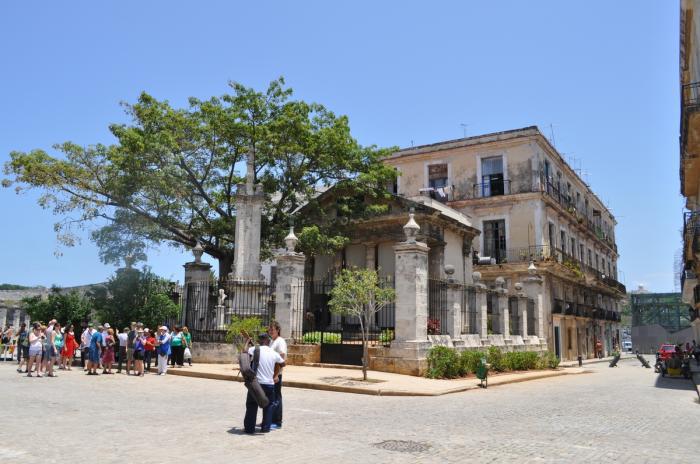
In addition to the well known guided tour routes, this year’s program includes various special walks, including Las artes en el Barroco, in the San Francisco de Asís Minor Basilica and José Martí en el camino de los libertadores, organized by the Museo Casa Natal de José Martí and three others which will be explained in further detail below.
The City Historian’s Office announced an illustrious anniversary to be celebrated with a special route: Alicia Alonso. Órbita de una leyenda. Homenaje a laPrima Ballerina Assolutaen el aniversario 95 de su natalicio. (Alicia Alonso. Orbit of a legend. Homage to the Prima Ballerina Assolutaon the 95th anniversary of her birth).
This special route – which takes the name of the tribute documentary byDance Museum researcher, José Ramón Neyra- begins at the Hispanic-American Cultural Center, onMalecon 17, a few meters from Havana’s Prado, and includes the exhibition Giselle y Carmen. Visiones de dos de los grandes personajes que fueron inmortalizados en la escena por la gran bailarina cubana, with photos, posters, costumes and documents, testimonies of her great performances in these ballets.
The eagerly awaited conferences Carmen y la Alonso, byEduardo Heras León, National Prize for Literature winner 2014; Lo hispánico en el arte de Alicia Alonso, by ballerina and Professor Irene Rodríguez, and Un encuentro con la danza. La técnica, la expresión y los estilos, didactic performance under the direction of Miguel Cabrera, Cuban National Ballet (BNC) historian – will take place in the “Casa de las Cariátides”as Havana's Hispano-American Cultural Center is known - clearly alluding to the singular columns with female faces which support the balcony of the main façade.
Accompanying the conferences will be screenings of documentaries and films whose themes provide an added contribution to the conversations. In this case complete ballets performed by Alicia Alonso and interviews with the dance star at different times during her extensive career.
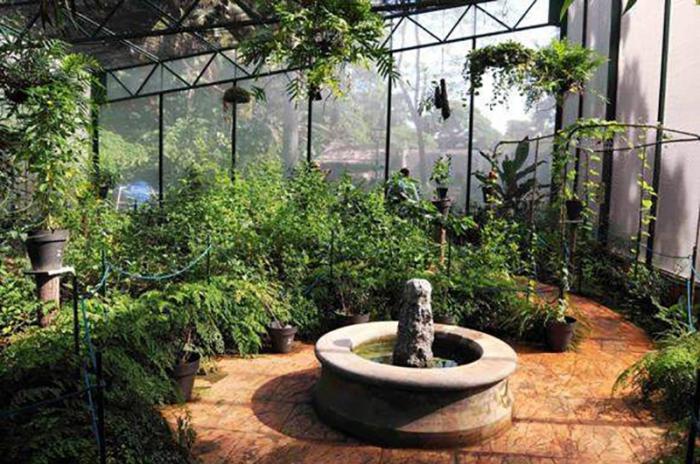
The second route tours the Butterfly House, recently inaugurated in theQuinta de los Molinos, the green lung of the capital affiliated with the City Historians Office.
The Butterfly House route at the Quinta de los Molinos, where in 1817 Havana’s first Botanical Garden would be born, was made possible thanks to the collaboration of the Bayer Handel company in Cuba, which through donations contributed to the purchase of technologies and a laboratory for the center.
According to surveys, Havana architecture is one of the most popular aspects of the city among the public, and this year specialists will show visitors around the facades, glass windows, interior design of buildings, with another route dedicated to diverse typologies: bank, religious and public works architecture.
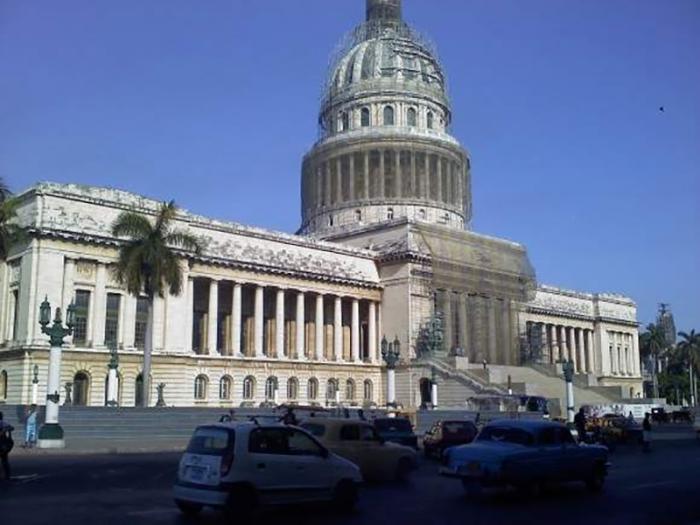
There is no need to hesitate in noting that the most eagerly awaited route is the special visit to the Havana Capitolio building, which given the character of the restoration works includes health and safety measures.
According to the City Historian himself, the monumental building, which has been undergoing restoration works for more than two years, will open its doors with guided tours led by architects to show the progress being made in its restoration.
The Havana Capitolio was inaugurated in 1929 and occupies 43,000 square meters, with its main entrance facing the Paseo del Prado. It was home to the Senate and House of Representatives until the triumph of the Revolution, and once the works are complete is expected to become the headquarters for the National Assembly of People’s Power.
The colossal building contains a range of sculptures by Italian artist Ángelo Zanelli, including the La República statue,standing at almost15 meters high and considered to be one of the largest indoor sculpturesin the world.
Leal also announced that Zanelli’s original plaster works - made for the Capitolio’s large interior fresco and which currently reside in the Garibaldino Museum in Rome – will soon be displayed in the capital.
He noted that the pieces were donated to Italy by the artist’s family as an example of the country’s heritage, and after a five year process are returning to the island on loan.
Three new and excellent routes are on offer this summer season for Cuban families and visitors to the city to discover some of the city’s secrets and learn first hand about the restoration works being carried out in Old Havana, World Heritage site.