THE circus is a magnet. It is one of those shows which attracts the interest and joy of both old and young. It has a special charm.
With a long tradition, the circus has become a classic form of entertainment. It is best to forget certain origins in the “Roman circuses” and their cruel fights between gladiators and beasts. It’s better to remember that the ancient acrobats, jugglers and magicians were precursors to today’s circus acts, including the clown, a big star among children with his or her jokes, pantomime, pirouettes and even musical numbers.
The art of the circus has existed for decades in Cuba. In September 1977 the Circus School was founded as part of the National School of Arts. As well as the physical conditioning and expertise provided to young artists, they are trained in the modern methodology of the circus, including the concept that the circus ring is similar to the stage.
In the summer of 2005, the Carpa Trompoloco (Trompoloco Tent) was opened on Havana’s 5th Avenue, named in honor of the famous Cuban clown Erdwin Fernández. With capacity for almost 2,000 people, an air conditioning system was incorporated this year as well as new audio equipment and lighting, a square ring, wooden seats, innovative designs and stands with improved visibility.
This, in preparation for the summer and the 2015 Circuba International Circus Festival, in its fourteenth edition, held from July 8-13 in Havana. The Festival has gone on to tour more than 14 cities in nine provinces across the island, culminating on September 6. The festival is a special occasion not only for spectators but also for the artists, to experience the best of contemporary international circus art.
This year saw the participation of some 80 international artists and over 20 of their acts formed part of the festival competition.
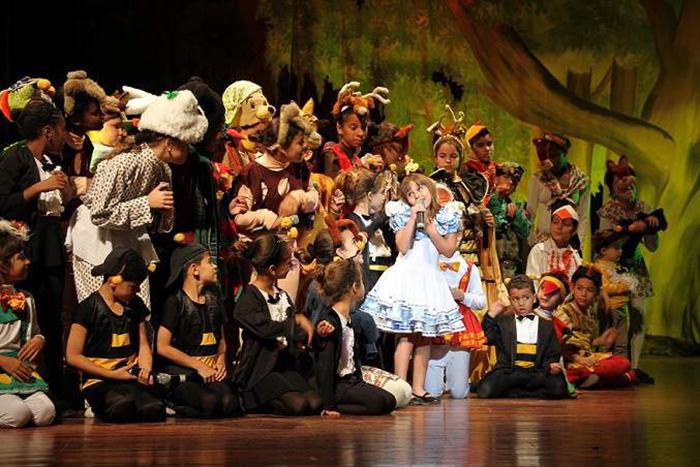
Circuba 2015 began in an unusual way, with a Gala in the National Theatre’s Avellaneda Hall, called La Comenita se va al Circo (The Comenita goes to the Circus).
Carlos Alberto Cremata, director of the children's theatre group, and Germán Muñoz, director of the National Circus, assumed the artistic direction and staging of the show.
They turned the stage into the setting for a competition among Cuban children's characters, Elpidio Valdés and Capitán Plín. Both sides challenged each other with the circus acts they had dreamed up, performed by artists from the Compañía Havana of the National Circus of Cuba.
This fourteenth edition had a prestigious jury chaired by Laci Endresz, artistic director of Britain’s Blackpool Tower Circus, as well as another panel on critique and image, led by Cuban actress Blanca Rosa Blanco.
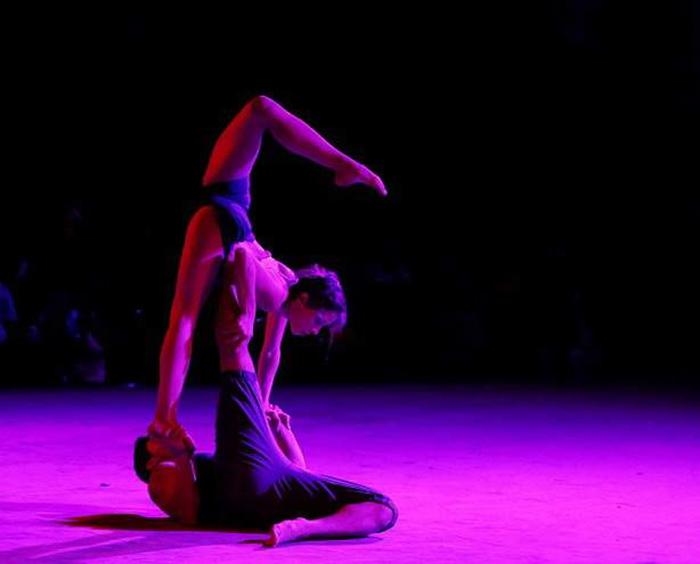
The Awards Gala (July 13), was consistent and dynamic and lasted 30 minutes. Here, the young stars of the Compañía Havana were confirmed as the top winners, due to their impressive numbers in multiple specialties, including acrobatic balance, the Russian bar, contortions, acrobatic swing and flying trapeze, with the classic triple somersault.

Compañía Havana’s Russian bar won the coveted Grand Prix and the Audience Award, among six other prizes. These spectacular acrobats, three men and a woman, with their risky and exceptional number, were also the well-deserved winners of the French Quimper Circusprize, consisting of a one year contract working at its facilities during 2017.
Colombian aerial silks duo, Requiem, composed of José and Gaby, were awarded the Golden Tent prize for their safety and rapport.
The first ever Circuba Award for Originality went to Russian juggler, Diana Stepanova, aged just 17, from the Rosgoscirk (Russian State Circus), who also set a world record while in Havana for keeping nine rings in the air at once.
Stepanova’s devotion to juggling is inherited, as the third generation of a family dedicated to this skill.
The jury also gave several special mentions: to the aerial gymnastics with globes duo, Cirko Alebrije, from Mexico; Luca Morrocchi of Italy; Christian Salinas also from Mexico; duo, Un café de mañana, from Brazil; and the trapeze duo Garrett and Sadie of the U.S.
There is no doubt that the circus, an ancient event, represents an important part of human culture, with performances for the whole family to enjoy, in shows which combine different arts; theater, dance, juggling, acrobatics, contortion and balancing and the humor of the clowns, the cornerstone of this art.
The joy and color found in each function are part of the history of the circus. A fantasy world lives inside the tents.
We’ll say no more, it’s the charm of the circus…