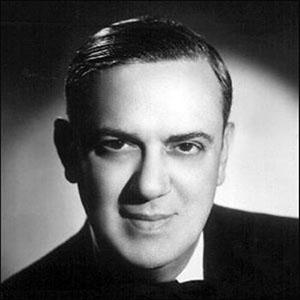
The great Cuban composer and pianist, Ernesto Lecuona. Foto: Granma
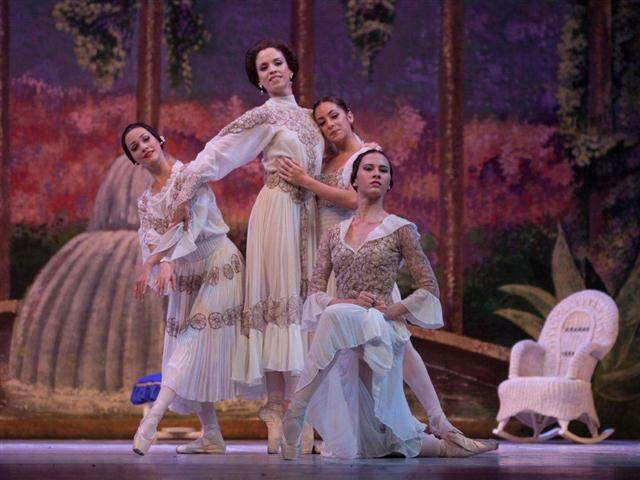
Tarde en la siesta, by Alberto Méndez, is an elegant, dramatic and moving piece demonstrating the technical and acting skills of the ballerinas. Foto: Luis Alberto Alonso
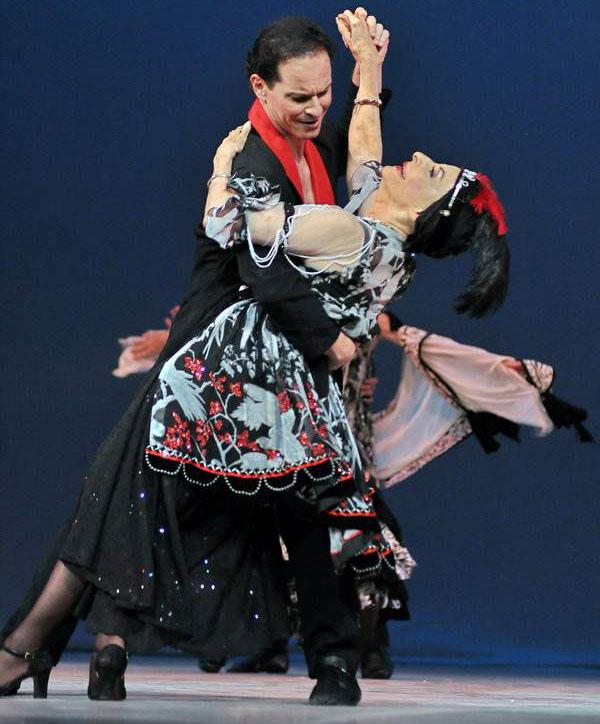
Alicia Alonso and former premier danseur Jorge Vega surprised the audience at the 23rd Havana International Ballet Festival (2012), appearing on stage during the Gala to celebrate 100 years of Lecuona’s “La Comparsa”, together with other stars of the company including Martha García, María Elena Llorente, Orlando Salgado, Lázaro Carreño and Osmay Molina, to perform a delicate version of Retrato de un vals. Foto: Yander Zamora
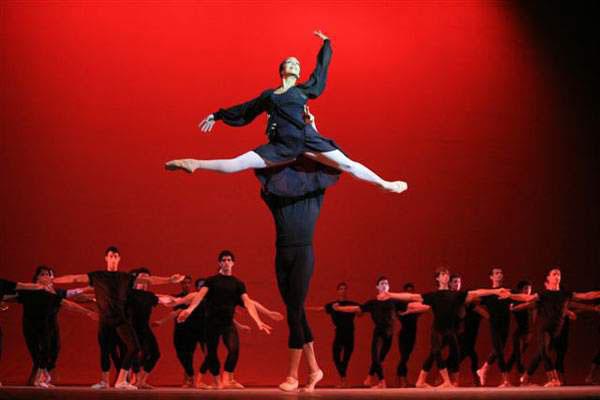
Successful lighting design by Ruddy Artiles compliments Alicia Alonso’s festive choreography Improptu Lecuona. Foto: Nancy Reyes
ALICIA Alonso, the great diva of world ballet, has never let the birthday of Ernesto Lecuona (Havana,1896-Santa Cruz de Tenerife,1963) go unnoticed. In 1990, with the premiere of Retrato de un vals, based on the Vals de la mariposa, which the composer dedicated to Russian ballerina Anna Pavlova, Alonso wrote to the costume designer, Armin Heinemann: Lecuona is “a great, unique and incomparable personality of Cuban culture.”
On that occasion, the Gala Lecuona celebrated another anniversary of a man considered both an exceptional musician and the most world-renowned Cuban composer.
The innumerable biographies of Lecuona highlight his extensive work and titles such as “Andalucía”, “Malagueña”, “Siempre en mi corazón”, “La comparsa”, “El crisantemo”, “Mariposa” and especially “Siboney”, his most memorable piece. Alongside them they also cite the zarzuelas Rosa la China, María de la O and El cafetal.
In terms of numbers, Lecuona composed a total of 406 magnificent songs, many of which became major pieces adapted to various arrangements throughout the years. He also wrote operettas, ballets, revues and operas, and composed over 176 solo piano pieces.
This year, to mark 120 years since his birth, the general director of the National Ballet of Cuba (BNC) scheduled two functions (August 1 and 2), which were unique in that they saw the company perform for the first time in the newly restored Teatro Martí, where, incidentally, Lecuona premiered his first musical revue in 1919, Domingo de piñata, a high point in the history of this venue, reaching almost two hundred performances.
For this tribute, five of the many pieces that BNC choreographers, including Alicia herself, have created using Lecuona’s music were selected.
Three choreographies by Alonso were included, the first, Impromptu Lecuona, premiered in 2010 at the 22nd Havana International Ballet Festival, using the music of two of the best known pieces by the Cuban composer, “La Comparsa” (1912) and “Malagueña” (1928 ).
“La Comparsa”, according to reviews, “is revealing of the genius of its author, of his nature as a born composer,” as Lecuona composed it a year before graduating from the Hubert de Blanck Conservatory.
The piece La comedia e… danzata also took to the stage. The title of this ballet alludes to the famous phrase that concludes the opera Pagliacci (Clowns) by Ruggero Leoncavallo: “La commedia è finita” (The comedy is over).
Alonso’s use of characters from Italian Commedia dell'arte is not surprising as these were also present in the musical works of Ernesto Lecuona, in pieces such as “Arlequín”, “Colombina” and “Polichinela”.
For this ballet, Alicia chose Lecuona’s works “¡No hables más!…” for the introduction; “Polichinela” on the presentation of the Doctor and the entrance of the other characters; “Palomita blanca” to identify Pierrot; “Mazurca en glissado” for Pantalón; the waltz “Romántico” for Colombina and Arlequín; and concludes with the waltz-jota “Aragón”, for all the characters.
A special added extra in La comedia e… danzata is that the piano performances used are recordings made by Lecuona in 1955.
The third choreography presented by Alicia was A la luz de tus canciones, created as a tribute to the outstanding singer Esther Borja (1913-2013), one of the great interpreters of Lecuona.
The piece ends with “Damisela encantadora,” composed by Lecuona (lyrics by Gustavo Sánchez Galárraga) in 1935 for the operetta Lola Cruz, which has become one of the most popular romantic Cuban songs.
From choreographer Alberto Méndez, 2004 National Dance Award winner, the BNC selected Tarde en la siesta, with piano performances recorded by Lecuona and beautiful set designs by Salvador Fernández. An indispensable ballet whose characters, Consuelo, Soledad, Dulce and Esperanza, have been interpreted by the company’s major stars over several generations.
Another minor piece included in the program was Cuba dentro de un piano, by Eduardo Blanco, with music by Lecuona and other Cuban composers such as Manuel Saumell, Ignacio Cervantes and Harold Gramatges.
Researcher Pedro Simón, director of the Museum of Dance, noted regarding these functions, “Everything that is Lecuona when dancing turns out to be ideal for the performer, it gives him or her many possibilities. He is a composer closely linked to the genre of dance, apart from his general significance within Cuban music.
Five beautiful pieces from the National Ballet, performed by its magnificent cast, are enough to accept this opinion prima facie.