Over the course of four days, the city of Ciego de Ávila was in festival mode.
The 22nd National Popular Art Fair, which takes place every two years, was a big event for locals and visitors alike, happy to celebrate the best of Cuba’s cultural traditions, and honor the island’s most authentic musical genre, son.
An exciting atmosphere was created across the city, with activities in 12 different venues, to ensure adequate space for all artistic expressions, including campesino and Afro-Caribbean folklore; urban expressions, trova; danzón; bolero; circus arts; theater for all ages; literature; handicrafts; and humor.
While the days were enjoyed by a large portion of the population, and art reached every corner of the city, also scheduled was the customary colloquium, this year addressing the complex nature of son, as the most authentic musical expression of popular traditional culture in Cuba, and the 22nd Fair’s featured art form.
In a ceremony held at Artisans’ Hall, where participants noted exhibits of impressive quality this year, the Havana City Historian’s Office and Oficios Gallery presented a collateral award to Vladimir Sánchez Pérez, from the province of Holguín, for his wooden carving entitled El Reparador de Sueños. The National Council of Community Cultural Centers recognized Havana native Francisco Rodríguez Martín for his mixed media piece, Conjunto de Bodegones.
Young art teacher Yoel Enríquez Rodríguez received the Popular Traditional Culture Research Scholarship, for his study of a festive tradition in the municipality of Melena del Sur, entitled Piedra para Obbatalá.
Also recognized were musical dance groups devoted to maintaining the Caidije and La Cinta traditions, celebrating their 90th and 50th anniversaries respectively, for their efforts to preserve Cuba’s living intangible heritage.
If one truth marked the celebration of our national culture it was, and must be, the defense of authentic expressions as our most powerful weapon against the global neoliberal challenge, which attempts to impose models of poor taste and replace our most valuable traditions.
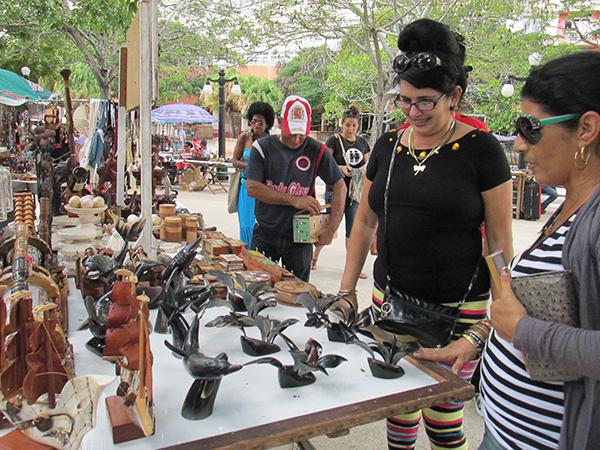
Included in the event were theater performances in the streets; grandparents dancing danzón on the boulevard; artisans at work in the park and others displaying theirs; along with artistic groups composed basically of family members who have for decades sustained cultural traditions, such as Raíces soneras of Las Tunas, Obbakosso from Cienfuegos, Voces del Milagro from Santiago de Cuba, Los Ritchard of Granma, Holguín’s Tumba francesa, La Cinta from Ciego de Ávila, and Bantú Yoruba, all enjoyed by appreciative audiences.
The final festivities lasted until nightfall, with a veritable guateque montuno, by the group Vaqueros de Guasimal, originally founded 150 years ago, a real spectacle with the musicians “putting on the coffee” and the people dancing, savoring pure cubania.