

Sports, an inexorably social expression, is constantly seeking to take the body a little further, to overcome and go beyond the limits it is able to. It is not only about breaking records, when we talk about sports it is the battle that each individual fights with themself to improve, to achieve what they have set out to do.
"Sport has the power to change the world and has historically played an important role in all societies." This is how the UN defines it, which also describes it as "a fundamental right and a powerful tool for strengthening social ties and promoting sustainable development, peace, well-being, solidarity and respect".
These values are reflected in UNESCO's International Charter of Physical Education, Physical Activity and Sport, a document based on human rights, which guides and supports the decision-making process and sports policies.
This text states that "Physical education, physical activity and sport can improve mental health, well-being and psychological capacities by strengthening body security, self-esteem and self-confidence, decreasing stress, anxiety and depression, increasing cognitive function, and developing a wide range of skills and qualities, such as cooperation, communication, leadership, discipline, teamwork, which contribute to success, while playing and learning, and in other aspects of life."
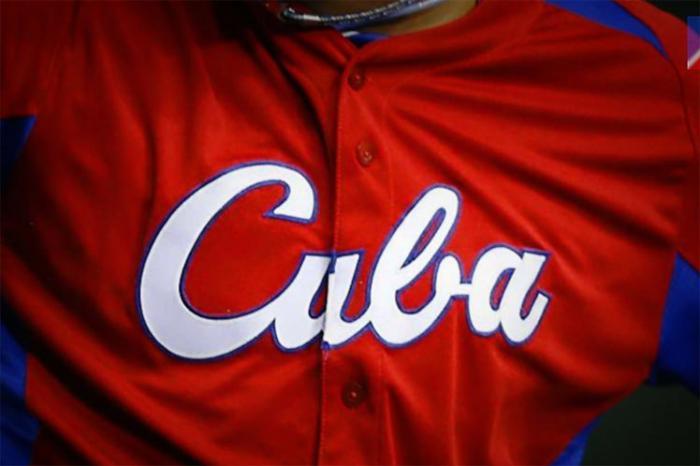
Cuba is an example of such improvement. Its revolutionary work, that is to say, transforming and human par excellence, built -almost from nothing- a majestic sports temple. History went through the development of the athletic movement at the level of society, with the aim of achieving a high participation of the population, to bring them the benefits of this activity.
Cuba, which today amazes the world with its successes, for being the 16th place in the historical medal table of the Olympic Games, grew in sports to the same extent that society appropriated the right to participate.
It has not been easy to get so far, Cuba had to tattoo that spirit of self-improvement that sport is capable of strengthening. It has done it collectively, at the country level, because in the athletic world there have not been few aggressions and obstacles to development. This has been expressed by athletes who have broken through walls to rise to the top of the podium.
A newspaper would not be enough to recall examples such as those of the runner Ana Fidelia Quirot, the javelinist María Caridad Colón, or the judo player Driulis González, who before reaching their greatest successes, had serious health problems that threatened to put an end to their sports careers.
Cuba had been prevented from reaching the venue of the Central American and Caribbean Games in San Juan, Puerto Rico, in 1966, and so it trained its athletes on the same boat in which they arrived on Puerto Rican soil; neither was the plane carrying the Cuban delegation to the 1963 Pan American Games in Brazil allowed to land, but the aircraft did it and its precious human cargo returned to shine in the continent.
These are the traits of combativeness and unwavering determination shown by Cuban athletes in major competitions worldwide, regardless of the fact that the implement is not the ideal one, that it has not been able to go to all the preparatory competitions or that it lacks certain logistics. That's how we are.
Sport shows these images, whether or not a medal is obtained, because it reflects basic values of the cultural framework in which it is developed. That is why, on the track, on the court or with bat in hand, athletes are transmitters of their culture. It is also a reason for pride to know that sport is similar to Cuba.
Translated by ESTI


