

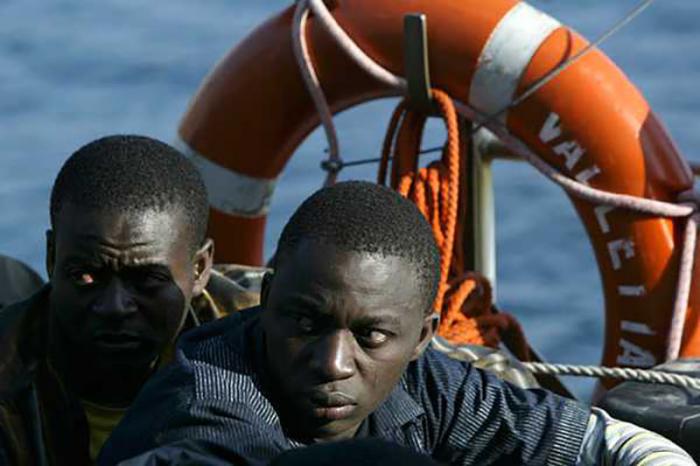
A total of 3,224 people died in 2014 while trying to reach Europe via the Mediterranean, according to the 'Human Rights at the Southern Border 2015' report by the Andalusian Association for Human Rights (APDHA).
Nearly a thousand people have died in the last week in the waters of the Mediterranean Sea after being shipwrecked while trying to reach European shores. They are the latest victims of an endless flow.
According to the International Organization for Migration, 4,868 people died trying to cross various borders around the world during 2014. Of these, 3,224 (66%) were in the Mediterranean. UNHCR, the UN refugee agency, offers very similar figures.
“It's not new, but so much death, such an atrocity, makes the violation of human rights more evident. It is a result of the same policies that led to what happened in El Tarajal a year ago,” Diagonal Carlos Arce, APDHA coordinator of Immigration, who presented the 'Human Rights at the Southern Border 2015' report, explains.
In this new edition of the annual study, the organization asserts that the border policies of the European Union are “turning the Mediterranean into a mass grave.”
“Prevent them from leaving, prevent them from arriving, and if they do, deport them as soon as possible. This EU policy is condemning thousands of migrants to death and suffering,” Rafael Lara, coordinator of International Solidarity of the organization, states.
The report clearly points to European responsibility for the deaths at the gates of his fortress: “The EU does not lift a finger to resolve this humanitarian crisis, neither with policies it has developed on migration processes, or since the implementation of rescue and relief plans for emergency situations. In fact Frontex, the European border agency, it is not designed for rescue and humanitarian emergencies, but for surveillance and control of EU borders in order to prevent the arrival of immigrants.”
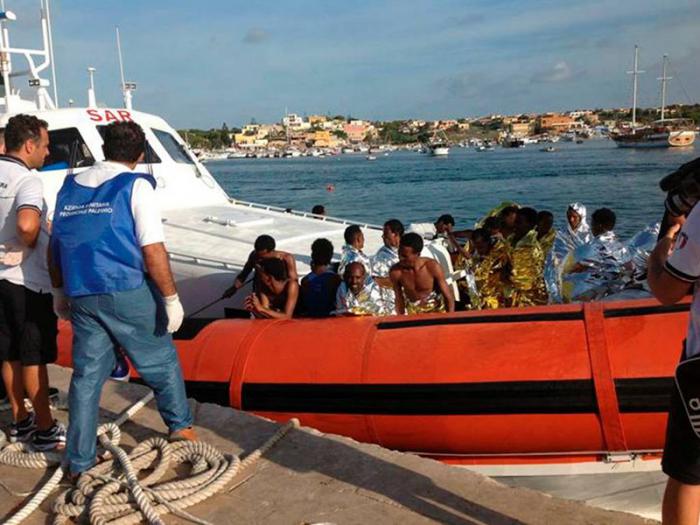
“The solution must be constructing regular and safe entrance routes so that those migrating, either for economic reasons or due to war, can reach Europe,” Arce argued.
However, the European response involves strengthening policies of repression and rejection, APDHA reports. “Operation Triton, coordinated by Frontex, has been extended throughout 2015. And Operation Mare Nostrum, developed by Italy, has been canceled. While the latter aimed to deploy Italian ships to the aid of boats full of immigrants, Operation Triton aims to control and prevent immigrants arriving.”
The report analyzes the paramount importance of the situation in Libya following the overthrow of Muammar Gaddafi as well as the war in Syria in contributing to migratory flows. Europe’s position is also outlined.
“All the statements from [Europe’s] rulers on the tragedy of the war in Syria and the need to put an end to the conflict become hypocritical chatter when you examine the fate of the people displaced by the war. Neighboring countries such as Turkey, Lebanon, Jordan, Egypt and even Iraq itself take in 97% of the refugees, while the European Union accepts just 1.7%.”
One example is that the Spanish government has only granted 130 visas for Syrian refugees, the lowest amount in the EU. In fact, Eurostat data indicates that Spain only settles 0.9% of requests, well below Germany (32.4%), Sweden (13%), France (10.3%) and Italy (10%). “They're leaving the protection of those seeking political asylum in the hands of so-called mafias, making them the only means to get there,” Arce added.
The report also includes data from the 2014 migration evaluation prepared by the Association. In 2014 there was a significant increase in people intercepted at the southern border, almost 50% more than the previous year: 7,550 people in 2013 and 11,146 in 2014. This number is explained by the entries via the Melilla border fence, of almost 2,500 people, and the arrivals at Cadiz, Spain, in August.


