

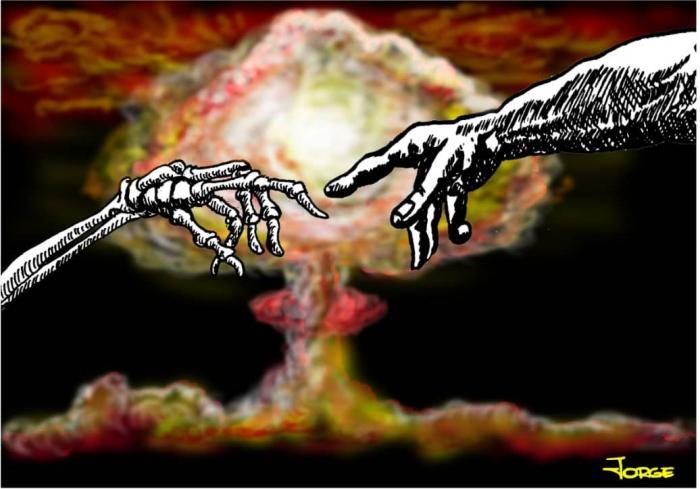
Humanity is under constant threat of self-destruction, and many efforts have been made to regulate everything that could wipe the human race off the face of the earth. Today marks the fifth anniversary of the entry into force of the Treaty on the Prohibition of Nuclear Weapons.
The treaty—which is legally binding—seeks to ban nuclear weapons with a view to their total elimination. In addition to prohibiting the development, testing, production, manufacture, and other forms of access to such weapons, the agreement allows countries with nuclear weapons to join it and destroy their arsenals.
Negotiations for the agreement took place during 2017 and were boycotted by the United States. They were also rejected by countries possessing nuclear weapons. The treaty entered into force on January 22, 2021, following the 50th ratification by Honduras on October 24, 2020. Cuba, in yet another demonstration of its commitment to general and complete disarmament, was the fifth country to ratify the agreement.
Although there are currently around 12,241 nuclear weapons in existence, according to United Nations data, the treaty was a further step towards the total elimination of this type of weaponry. It also clearly established that they are not only inhumane, immoral, and ethically indefensible, but also illegal.


