

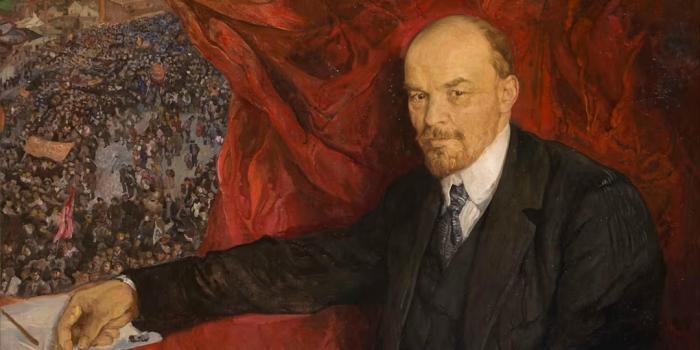
As we approach another International Workers’ Day, it is worth remembering one of its most illustrious and passionate defenders, Vladimir Ilyich Lenin, who was born on April 22nd, 1870, in Simbirsk, Russia.
“The struggle of the workers becomes a class struggle only when the vanguard representatives of the entire working class of a country are conscious of the unity of the working class and undertake the struggle, not against an isolated employer, but against the entire capitalist class and against the government that supports that class,” he noted very early in his revolutionary life, in 1899.
He recognized the importance of education in helping each person understand their place and role in building a new society, where they feel they can contribute to their own well-being and that of others.
Indeed, this cultural battle is perhaps the most complicated and necessary on the path to emancipation, for people must understand the importance of the cause and the reasons for which they fight.
The dictatorship of the workers is a term so vilified and emptied of meaning by those who either ignore its significance or fear it, knowing that it proposes to overthrow the plunderers and consolidate social gains to the greatest possible extent. Beyond a series of acts and decrees, it constitutes a historical epoch, the leader noted.
While many opportunists of the Second International aligned themselves with their respective national interests before the outbreak of World War I, he championed the cause of all proletarians, and together with those of his country, he achieved the first true revolution of a human nature in history.
Convinced of the indispensability of the World Revolution to sustain and strengthen the efforts of various territories, he noted: “If the exploiters are defeated in only one country (…), they will nevertheless remain stronger than the exploited.” Of course, the vanquished will never sit idly by in their eagerness to reclaim their privileges.
As another May Day approaches, when the reaction is taking on increasingly violent and dangerous forms, let us turn to Lenin’s lessons: to unite all those who believe that others have expropriated what is theirs, so that they may confront them with the very hands of labor.


