

"When I grow up, I'll be..." and any profession can complete the sentence, so natural and typical of children. Some will even invent their own profession, like "balloon seller," or imitate their parents: "teacher." Perhaps another will deviate from family tradition and loudly declare to everyone who asks that when they grow up, they will be an "artist."
This is how the youngest members of the family dream. Or, at least, this is how they all should. However, conflicts, catastrophes, and emergency situations affect children daily in various parts of the world.
According to Unicef's (United Nations Children's Fund) annual Humanitarian Action Report, "in 2025, the lives of millions of children were marked by violence, food insecurity, famine, intensifying climate shocks, and disruption of essential services."
While humanity seems to turn its attention to "more pressing problems," recruitment and abduction, conflict-related sexual violence, denial of humanitarian access, and attacks on schools and hospitals go unnoticed or are relegated to secondary effects by those who know that children represent the future.
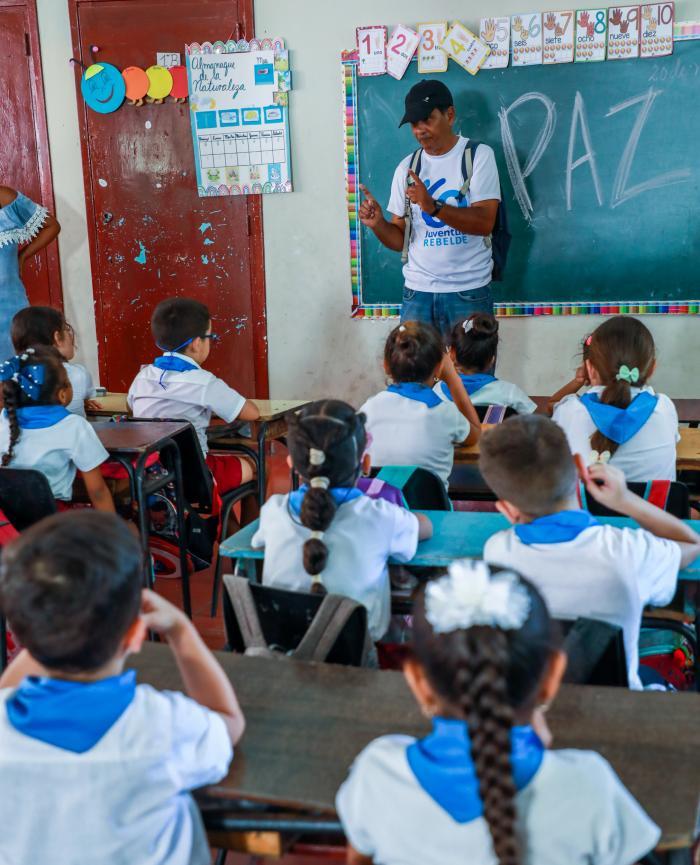
Amid this context, in Cuba, where the rights of children and young people have not been ignored for over 60 years of Revolution, but rather their fulfillment and defense have been ensured, Anne Lemaistre, Director of the Unesco Regional Office in Havana and the Organization's representative in the country, recently stated: "Education in Cuba is at risk due to the current energy crisis."
Educators and families know this all too well. They suffer the consequences, fully aware of the importance of early childhood education, and they create alternatives in homes, schools, and communities, in the face of those responsible for a system that ignores its true victims.
It is therefore everyone's duty to denounce every crime—like this one and so many others—committed against children in different parts of the world, so that every child can dream, study, grow, and decide how to make the world a better place.


