

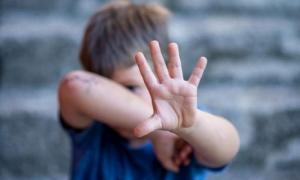
Talking about child abuse is talking about violence that often occurs within spaces that should protect children: the home, school and community. These are not isolated events, but rather a social problem that affects millions of children and adolescents and that, in many cases, remains hidden.
According to Unicef, approximately two out of every three children and adolescents in Latin America and the Caribbean – some 115 million – are victims of "violent discipline" at home. This includes physical punishment, screaming, threats, humiliation and other forms of psychological violence. The figure reveals that practices considered "normal" or "necessary to educate" continue to seriously affect the development and dignity of children.
The Unicef report also warns that violence against children is usually carried out by known people, such as family members, caregivers or trusted people. This closeness makes it difficult for victims to report and allows the abuse to continue for long periods. Fear, shame, economic dependence and lack of institutional support contribute to the fact that many cases are never registered.
Sexual violence is one of the most serious forms of abuse. Unicef estimates that, globally, one in four women and one in 13 men experienced sexual violence during childhood. Although these figures are global, they help to understand the magnitude of a problem that often remains invisible.
Furthermore, the available data probably represents only part of the reality. Under-registration is one of the main obstacles to knowing the true dimension of child abuse in the region. Many countries have incomplete reporting systems, fragmented records and difficulties in identifying cases, especially when they occur within the family.
The Unicef report leaves a strong conclusion: violence against children cannot be justified as a form of discipline or considered a private matter. Every blow, insult, threat or sexual abuse has consequences on the physical and emotional health of children, which can accompany them throughout their lives. Preventing this scourge requires strengthening institutions, training teachers and professionals, guaranteeing safe reporting channels and offering comprehensive care to victims.
Protecting childhood is not only a responsibility of families. It is also an obligation of the States and of the entire society. As long as silence continues to protect the aggressors, the abuse will continue to be repeated. Therefore, recognizing the problem, listening to the victims and acting in time are essential steps to build a safer Latin America for its children and adolescents.


