


Engineer Lincón Irán Rivero Rosales explains that the pipeline installation works cover almost 13 kilometers on the northern coast of the western part of the island. Foto: Yander Zamora
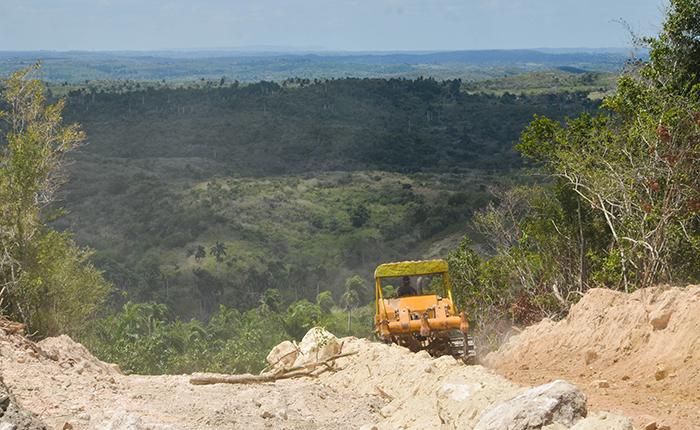
Earthwork in remote areas prior to the installation of the pipeline Foto: Yander Zamora

Engineer Viviana Pomero Acosta must ensure the optimal quality of construction works for the pipeline Foto: Yander Zamora
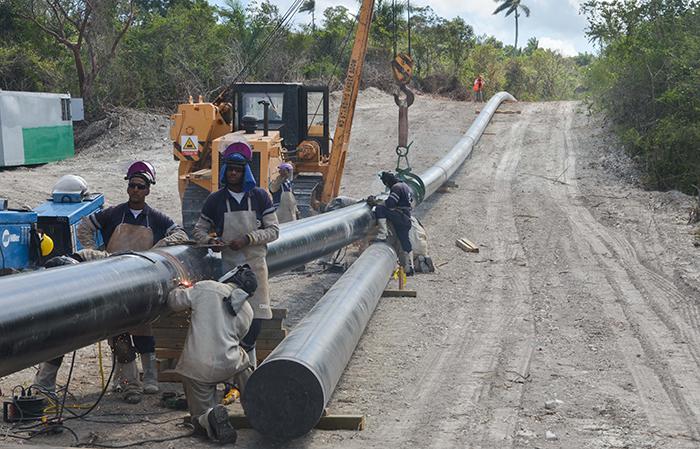
Welding and joining process of the 20 inch carbon steel pipes Foto: Yander Zamora
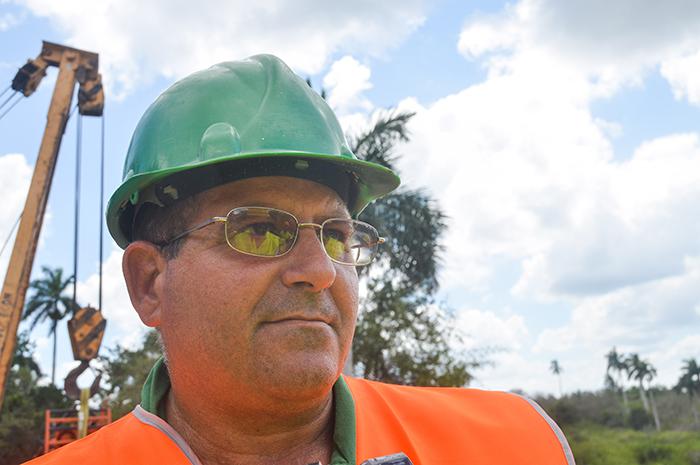
Emelio León Barroso, head of the Contingency Center, highlights the ingenuity of the workers to overcome any challenges Foto: Yander Zamora
THE construction of the Puerto Escondido – Yumurí gas pipeline, located on the northern coast between the western provinces of Mayabeque and Matanzas, will result in significant fuel savings for the island beginning in August.
Works are currently underway on the excavation and underground installation of the pipeline, which will transport gas, derived from the exploitation of oil wells in this part of the country, to processing plants, where it will be converted into electrical energy. The pipeline is set to greatly contribute to the economic and social development of the island.
The greatest benefits are related to the ability to recover pollutant gases currently emitted into the atmosphere during the distillation process, for energy use as manufactured gas, and increased electricity generation.
It will also mean savings due to a reduction in oil imports, as well as freight costs for trucks currently used to transport fuel to power plants.
Lincón Irán Rivero Rosales, heading the construction works, explained on site that the work began February 3, and is scheduled to be completed within 203 days. He noted that so far, everything is on schedule to conclude the installation of 12.8 kilometers of pipe by August 28.
“This involves moving earth, welding the piping and burying it 1.5 meters deep, drilling through mountains, clearing marabou and other areas of almost impenetrable vegetation, laying roads, trenching, the welding and coating of the structures being laid,” the hydraulic engineer explained.
To this end, they have specialized machinery and must ensure safety standards for the 75 workers involved.
Furthermore, they oversee the care of the surrounding environment and on completion of works, must assume re-vegetation of the site. Rosales added that each worker has the responsibility to ensure optimum quality, because the slightest error in the installation could pose serious risks to the environment.
During a visit to the work site, Granma International was witness to the challenging working conditions in remote and difficult to access areas, exposed to the weather, including intense sunshine, rain and strong winds, as well as the high temperatures in the welding work areas, loud noise of machinery and insect bites.
Lincón Irán Rivero Rosales noted that they work 10 hour shifts, Monday through Saturday. The working day begins with a briefing at 7:45 a.m. to explain the details of each task, and by the end of the day 12 joints have been welded, representing some 144 meters of pipeline laid in the trench.
Welder Yuniel Conzo Rodríguez, aged 34, explained that his work is to join the 20 inch diameter sections of pipe using a standard four step process. He was evaluated by international experts in order to be qualified to undertake this task, and is subject to reevaluation every two years.
Conzo Rodríguez noted that strict compliance is required in the use of personal protection gear, production processes, supply of materials and discipline and organization on site.
Engineer Viviana Pomera Acosta, one of the few women working at the construction site, verifies the quality of the available materials and compliance with production standards. She inspects areas where the pipes will be laid, the excavation, trench length, as well as the quality of the welding and hermetic seals of the piping.
She noted that she has great responsibility, as she must review all specifics before starting, and at the conclusion of work. The durability of the construction is dependent on her efforts. As such, she has carefully studied the specific standards for this type of installation.
Pomera Acosta highlights the great human qualities of her compañeros and their high level of knowledge regarding gas pipelines. They have already concluded works on others in the provinces of Cienfuegos and Matanzas.
The construction works for the pipeline are being undertaken by the Hydrocarbon and Derivatives Pipeline Transportation Enterprise.
Director Manuel Garay Arias explained that the enterprise also carries out periodic inspections of all pipeline systems installed in the country, and assumes the construction of new projects with the potential to increase the mechanization, storage and transportation of fuel.
The country has 307 kilometers of pipelines, which guarantee the supply of fuel to the aviation sector and the National Electric System, and transports gas for electricity generation and the domestic use of over one million people.
The director characterizes the work of the company with a phrase by legendary guerrilla Ernesto Che Guevara, who served as Minister of Industry: “Of all the revolutionary tasks, the essential, the fundamental one, is that each fulfill their duty.”


