

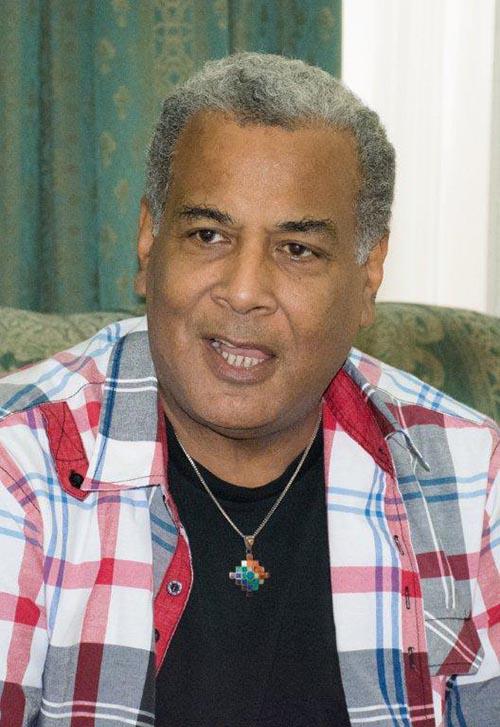
The 28th Pastors for Peace U.S.-Cuba Friendship Caravan, which since 1992 has defied the criminal economic, commercial and financial blockade of the island, will begin its solidarity activities with the Cuban people in April 2017, with visits to U.S. senators and members of Congress in their Washington offices, as Reverend Luis Barrios, a board director of the Interreligious Foundation for Community Organization (IFCO) Pastors for Peace, explained in Havana.
The Professor of Psychology, Criminology, Latin American and Latina/o Studies and Ethnic Studies at the John Jay College of Criminal Justice-CUNY, New York, explained that educational activities will be held outlining the damages caused by the unilateral policy of economic sanctions imposed by successive U.S. administrations against Cuba.
He added, ”We will rely on academics with knowledge of the Cuban reality to explain the achievements in education and health, emphasizing in particular the important aid and cooperation provided by Cuban doctors in more than 60 countries, their participation in the fight against the lethal Ebola outbreak in West Africa and the cancer treatments developed by Cuban scientists, despite interventionist policies that seek to destroy the Revolution.”
These talks will tour several cities in Canada, the United States and Mexico, before the Caravan visits Cuba. The territories affected by the passage of Hurricane Matthew last October will be the focus of the 28th U.S.-Cuba Friendship Caravan, with the purpose of delivering materials and undertaking volunteer work in the reconstruction of the buildings damaged by this natural phenomenon.
Members of the Pastors for Peace initiative will learn about the economic and social development of Guantánamo province during their stay, including with regard to the territory illegally occupied by the U.S. naval base, a site where torture is practiced on detainees.
They will be accompanied by U.S. students and graduates from the Latin American School of Medicine, who will comment on their experiences and on the preventive work carried out by doctors in Cuban neighborhoods, which has resulted in the reduction of infant and maternal mortality rates, the control of chronic noncommunicable diseases, and successful treatment of cancer and other pathologies.
Reverend Luis Barrios, of Puerto Rican origin, noted the importance of young U.S. health professionals, trained in Cuba, working in municipal health institutions in density populated areas of the U.S., where medical professionals are lacking, mainly in cities across the states of New York and California.
“These young people,” he emphasized, “have been trained according to the humanist concept of providing care to those in need. In the United States, when you visit a hospital, the first thing you are asked is how you are going to pay, while the doctors graduated in Cuba welcome you with the phrase: ‘How can I help you?’”
He added that knowledge of Spanish also contributes to the care provided, as many of these professionals provide medical care to the large community of Latino immigrants in the U.S., who lack the resources to pay for health insurance. In turn, they investigate disease risk factors in their patients to establish prevention policies.
Speaking with Granma International, Luis Barrios responded to a question regarding the recent notification from the U.S. Internal Revenue Service (IRS) that IFCO/Pastors for Peace’s status as a non-profit organization will be revoked due to its humanitarian work in Cuba.
The eminent professor noted that the authorities in his country use such attacks to openly challenge solidarity work, in this case with the aim of harassing and economically ruining the organization.
Pastors for Peace has proposed a political strategy to respond to the unfair IRS ruling, including mobilizations and demonstrations to demand the right to practice solidarity, and reject the dictates of the IRS.
The purposes of the next caravan will focus on explaining the continued negative impact of the U.S. blockade despite the reestablishment of diplomatic relations between the two countries. Activists will denounce the funding of subversive groups in Cuba, and the Cuban Adjustment Act, which has caused so much damage to families on the island.
“It will be another travel challenge,” Luis Barrios noted, “We will not request permission to travel to Cuba. Our tour will serve to consolidate the solidarity work with Cuba by the peoples of Canada, the United States and Mexico.”


